What is Plastic Packaging Tax (PPT)?

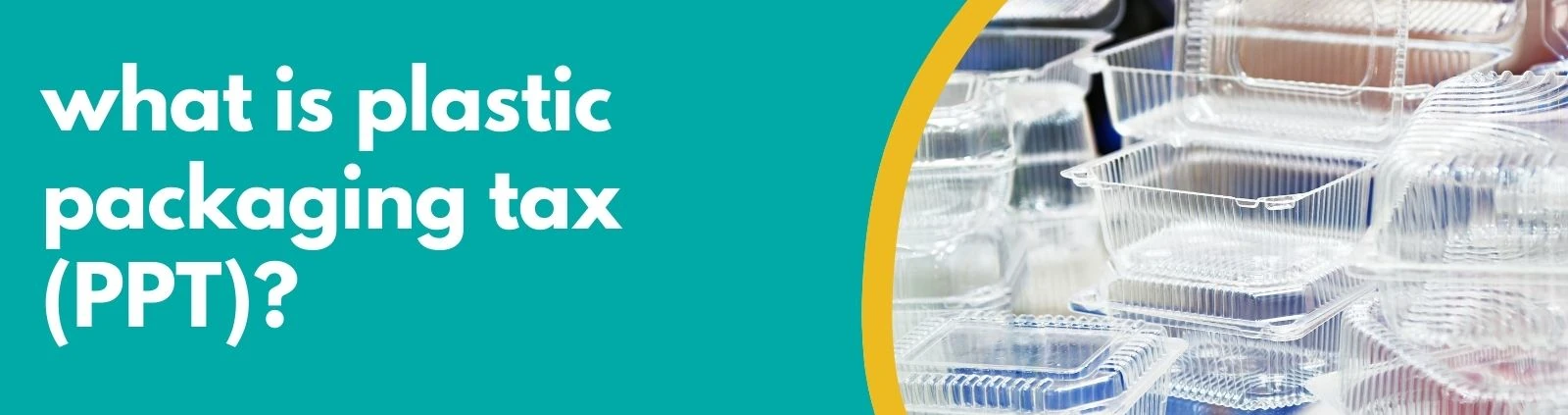
Accounting Wise - what is plastic packaging tax (PPT) Hero Image

Get 50% off our services for the first 6 months when you sign up to one of our Pre-Built or Bespoke Packages!

Plastic is everywhere in modern life from food packaging and drink bottles to e-commerce deliveries. But with growing concern about plastic waste and its environmental impact, the UK government has introduced the Plastic Packaging Tax (PPT) to encourage businesses to use more sustainable alternatives.

If you’re a UK business that manufactures, imports, or uses plastic packaging, you may be wondering: What is Plastic Packaging Tax, who does it apply to, and how can you prepare?

This post hopes to break it down in plain English.

What is Plastic Packaging Tax?

The Plastic Packaging Tax (PPT) is a UK environmental tax that came into effect on 1 April 2022. Its purpose is to encourage businesses to use recycled plastic in their packaging and reduce the amount of virgin (new) plastic ending up in circulation.

The tax applies to plastic packaging manufactured in or imported into the UK that does not contain at least 30% recycled plastic.

  • Tax rate:  £223.69 per tonne of plastic packaging (from 1 April 2025 – rates are usually updated each April).
  • Threshold: Businesses manufacturing or importing less than 10 tonnes of plastic packaging per year are exempt.

HMRC – Plastic Packaging Tax Overview

Who Needs to Pay Plastic Packaging Tax?

You may need to pay PPT if you:

  • Manufacture plastic packaging in the UK.
  • Import plastic packaging (including packaging around goods, such as shrink wrap on pallets or bottles containing drinks).

Exemptions

Some plastic packaging is exempt, including:

  • Packaging used for human medicines.
  • Transport packaging used for imported goods (e.g., shipping containers, pallets).
  • Packaging permanently designated for reuse (e.g., plastic crates).

Full list: HMRC – Packaging Exempt from PPT

Why Was Plastic Packaging Tax Introduced?

The UK uses millions of tonnes of plastic every year, with only a fraction being recycled. The tax is part of the government’s wider circular economy strategy, which aims to:

  • Reduce reliance on virgin plastics.
  • Increase demand for recycled plastics.
  • Incentivise businesses to redesign packaging.
  • Cut down on landfill and incineration.

This aligns with wider sustainability policies, such as the Extended Producer Responsibility (EPR) scheme and bans on certain single-use plastics.

More context: UK Government – Resources and Waste Strategy

How Does PPT Work in Practice?

Registration

  • Businesses must register for PPT if they manufacture or import 10 tonnes or more of plastic packaging per year.
  • Registration is via HMRC’s online service.
  • Even if packaging is exempt, you may still need to register if you meet the threshold.
  • Register for Plastic Packaging Tax

Record Keeping

Businesses must keep detailed records of:

  • The weight of plastic packaging manufactured or imported.
  • How much contains at least 30% recycled content.
  • Exempt packaging and why it’s exempt.

Good record-keeping is essential – HMRC can audit your records.

Filing and Payment

Returns are quarterly (similar to VAT).

Tax is paid based on total taxable plastic packaging for that period.

Streamlined Corporate Tax Filings for Peace of Mind

 Corporation Tax Returns

Get 50% off our services for the first 6 months when you sign up to one of our Pre-Built or Bespoke Packages!

Speak to an accounting expert

If you’re unsure what level of support you need, our friendly team are on hand to help you pick the right package for you.

What Counts as Plastic Packaging?

Packaging is classed as plastic if it contains more plastic (by weight) than any other material. This includes:

  • Drinks bottles and food trays.
  • Bubble wrap and cling film.
  • Carrier bags and wrapping films.

Even packaging that’s partly plastic (e.g., laminated cartons) can be caught by PPT if plastic is the main material.

HMRC Packaging Examples

Impact of PPT on Businesses

Financial Costs

Businesses directly pay PPT or may face higher supplier costs as manufacturers pass it on. For some industries like food, drinks, or retail the impact can be significant.

Operational Changes

Many businesses are reviewing packaging strategies, including:

  • Switching to recycled plastics.
  • Reducing overall plastic usage.
  • Moving to alternative materials like cardboard or compostable plastics.

Supply Chain Adjustments

If you import goods, you may need to work with suppliers to confirm the recycled content of packaging.

Tips to Minimise Plastic Packaging Tax Liability

Increase Recycled Content

  • Using at least 30% recycled plastic avoids PPT altogether.
  • Build relationships with suppliers that provide recycled content certification.

Rethink Packaging Design

  • Lightweight designs use less plastic.
  • Switching to recyclable cardboard, glass, or metal could reduce reliance on virgin plastic.

Improve Record-Keeping

  • Accurate records can help you claim exemptions and avoid unnecessary tax.

Engage with Industry Guidance

  • Organisations like WRAP UK and the British Plastics Federation provide insights on sustainable packaging.

WRAP – UK Plastics Pact

Plastic Packaging Tax vs. Other Environmental Measures

The PPT is not the only environmental regulation UK businesses need to consider:

  • Extended Producer Responsibility (EPR): Shifts responsibility for packaging waste costs to producers.
  • Deposit Return Schemes (DRS): Upcoming bottle return systems in parts of the UK.
  • Single-Use Plastics Ban: Outlaws items like plastic straws and cutlery.

Being aware of the wider regulatory landscape helps businesses future-proof packaging strategies.

Challenges Businesses Face

Despite its environmental goals, PPT has raised some concerns:

  • Cost pressures – especially for small businesses with slim margins.
  • Limited recycled material supply – demand often outstrips supply, pushing prices up.
  • Complex record-keeping – additional admin burden.

Industry bodies like the Food and Drink Federation (FDF) have highlighted these challenges, calling for more investment in UK recycling infrastructure.

The Bigger Picture: Sustainability as a Business Advantage

While PPT may feel like just another tax, it can actually drive innovation. Businesses that adapt early can:

  • Improve brand reputation with eco-conscious consumers.
  • Reduce long-term costs by optimising packaging.
  • Gain an edge in industries where sustainability is a selling point.

Adopting sustainable practices is increasingly part of good business strategy, not just compliance.

Useful Resources

Final Thoughts on PPT

So, what is Plastic Packaging Tax? It’s a UK tax designed to cut virgin plastic use, encourage recycling, and reduce environmental impact.

If your business manufactures or imports more than 10 tonnes of plastic packaging annually, you’ll need to register, keep detailed records, and possibly pay PPT.

But rather than seeing it as just another cost, businesses can use PPT as an opportunity to innovate, cut waste, and boost sustainability credentials which consumers and partners increasingly value.

At Accounting Wise, we help businesses navigate taxes like PPT, from compliance to strategic planning. If you’d like tailored advice for your business, get in touch with our team today.

Need help understanding your business finances? Get started today for expert advice on improving your profits.

Newsletter Subscription - Accounting Wise

Join Our Newsletter!

Get expert accounting tips, tax updates, and business insights straight to your inbox. Sign up today and stay one step ahead!

Newsletter Signup

Hot Topics

More related Accounting Community, News & Resources

Accounting Wise - Key Accounting Dates - May 2026

Key Accounting Dates – May 2026

May 2026 is one of the most deadline-heavy months in the UK accounting calendar. This guide covers every key obligation - from Corporation Tax payments and VAT returns to P60 distribution and CIS returns - with practical guidance on what to do and when.
Accounting Wise - Can You Be a Sole Trader and Employed at the Same Time

Can You Be a Sole Trader and Employed at the Same Time?

Yes, you can be a sole trader and employed at the same time in the UK. Millions of people do it. But there are tax obligations, HMRC registration requirements, and Making Tax Digital rules you need to understand. This guide covers everything you need to know.
Accounting Wise - payments on account explained

What are Payments on Account?

Payments on account catch thousands of taxpayers off guard every January and July. This guide explains how they are calculated, when they are due, and how to apply to reduce them if your income has fallen